
No Valid Photo ID? Here's What You Can Do

Most people assume that if they don't have a current, government-issued photo ID, they simply can't get a document notarized. But that's not always the case — and Mark Orr is one of those notaries who takes the time to explain your options rather than just turning you away.
California law provides a legitimate path forward for signers who lack acceptable identification. It's called the credible witness procedure, and while it requires a little extra coordination, it can be a real lifesaver in the right circumstances.
Why Does a Notary Need to Verify Your Identity at All?
Before getting into the solution, it helps to understand the problem. A notary's most fundamental job is to confirm that the person signing a document is actually who they claim to be. Without that verification, notarization would be meaningless — anyone could sign anyone else's name and get it stamped. That's why acceptable ID isn't a technicality; it's the whole point.
What Counts as "Acceptable" ID in California?
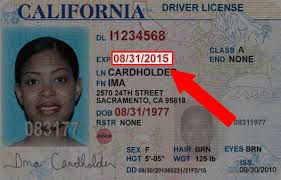
For a standard notarization, California law requires a current, government-issued photo ID. Acceptable forms include a California driver's license or state-issued ID, a U.S. passport or passport card, a military ID, a foreign passport, or certain other government-issued documents. The key word is current — expired IDs generally don't qualify, even if they're just a month past the expiration date.
So What Happens If You Don't Have One?
This is where the credible witness option comes in. California Notary Public law allows a notary to identify a signer through the oath of a credible witness — a trusted person who personally knows the signer and can vouch for their identity. Mark handles this situation with care and professionalism, making sure everything is done exactly right.
There are two different scenarios, and California law treats them differently.
Scenario 1: One Credible Witness (Known to Both the Notary and the Signer)
If there is one credible witness who is personally known to Mark and also personally knows the signer, then that single witness can vouch for the signer's identity. In this case, the witness must take an oath stating that they personally know the signer, that the signer is the same person named in the document, and that it would be very difficult or impossible for the signer to obtain acceptable ID.
The catch: Mark must personally know the witness. This scenario works well for repeat clients or situations where someone has an established relationship with their notary.
Scenario 2: Two Credible Witnesses (Unknown to the Notary)
If Mark doesn't personally know the witness, then two credible witnesses are required — both of whom must personally know the signer. Both witnesses must present their own valid, government-issued photo IDs to Mark. Both take an oath affirming the same things: that they personally know the signer, that the signer is the person named in the document, and that it would be very difficult or impossible for the signer to obtain acceptable ID.
This is the more common scenario in practice, and it requires a little planning ahead — you'll need to bring two people who know you and have their own valid IDs.
Who Can and Can't Be a Credible Witness?
Not just anyone qualifies. A credible witness cannot have a financial or beneficial interest in the document being notarized. They also cannot be named as a party or principal in the document. In other words, if someone stands to gain something from the document being signed, they can't serve as a credible witness for it. This rule exists to prevent obvious conflicts of interest.
A credible witness should be someone who knows you well — a family member, a longtime friend, a neighbor, or a colleague — as long as they meet the requirements above.
What Does the Credible Witness Actually Do?
The witness (or witnesses) appear in person at the notarization. Mark will ask them to take an oath, swearing or affirming that they personally know the signer and that the signer is who they claim to be. He'll record the witnesses' information in his notary journal, verify their IDs, and note that the credible witness procedure was used instead of direct ID verification.
A Word of Caution
The credible witness procedure is a legitimate tool, but it's not a workaround to be taken lightly. Mark takes his responsibility seriously, and if something doesn't feel right — if a witness seems uncertain, if stories don't line up, or if there's any indication of pressure or fraud — he'll pause and address it. His job is to protect everyone involved, including the person whose signature is being notarized.
Planning Ahead Makes All the Difference
If you think you might need to use the credible witness procedure, the best thing to do is call Mark before your appointment. He'll walk you through exactly what you'll need, who can serve as a witness, and how to set things up so the appointment goes smoothly. That's the kind of personal attention his clients in Los Angeles County have come to expect.
If you cannot provide credible witnesses for verification, neither Mark nor any other California Notary Public can notarize your document.
Mark Orr Mobile Notary — Serving Los Angeles County
Whether you have all your documents in order or need a little extra help navigating an unusual situation, Mark Orr is the kind of notary who figures it out with you rather than just saying no. Contact him to schedule an appointment anywhere in Los Angeles County.


Comments